Want to earn Delta miles without paying an annual fee? The Delta SkyMiles Blue American Express Card is Delta's entry-level co-branded card, built for loyal but occasional flyers. It skips the perks that justify a fee on pricier Delta cards, which makes it either a smart no-cost pick or a card you outgrow fast. Here is the full picture for 2026.
Key facts at a glance
| Feature | Detail (as of July 2026) |
|---|---|
| Issuer | American Express |
| Annual fee | $0 |
| Rewards | 2x miles on Delta and at restaurants worldwide, 1x on everything else |
| Welcome bonus | 10,000 miles after $1,000 in purchases in 6 months |
| Purchase APR | About 19.49% to 28.49% variable |
| Foreign transaction fee | None |
| Intro APR | None |
Terms and conditions apply, and your APR varies by creditworthiness.
Rewards: where you earn miles
The card earns 2 miles per $1 on eligible Delta purchases and at restaurants worldwide, which includes takeout and delivery in the U.S. Everything else earns 1 mile per $1.
That dining category is the card's standout feature. Many entry-level airline cards only reward airline spending, so earning double miles on restaurants gives everyday spenders a reason to keep it in their wallet between trips.
Because the Blue card is an Amex product built for good-to-excellent credit, a denial is possible if your score is still growing, and you still need a card you can qualify for now. The Aspire® Cash Back Rewards Mastercard is unsecured with no security deposit, lets you prequalify for up to $1,000 with a FICO score around 580, and earns up to 3% cash back, a realistic starting point while you build toward a travel card.
Aspire® Cash Back Rewards Mastercard

Aspire® Cash Back Rewards Mastercard
Aspire® Cash Back Rewards Mastercard. Prequalify* For Up To $1000 Credit Limit. No security deposit. Packed with great benefits, it’s designed to give you more flexibility—and purchasing power—along with up to 3% cash back rewards!** Good anywhere Mastercard is accepted, it’s the go-to card for any lifestyle.
Standout feature
Up to 3% cashback rewards**
Fees
$85–$175 first year, $229 thereafter (maintenance fees already included)
Pros
No Deposit Required. Prequalify* for up to $1000 credit limit
Cons
High APR, 36% Fixed.
Welcome bonus and everyday value
As of July 2026, new cardholders earn 10,000 bonus miles after spending $1,000 in the first 6 months. That is a modest bonus compared with premium Delta cards, but the low $1,000 spending requirement is easy to hit.
You also get 20% back on eligible in-flight food and drink purchases as a statement credit. With Pay with Miles, you can take up to $50 off a flight for every 5,000 miles you redeem when you book on delta.com.
Fees and APR
The headline is the $0 annual fee, and there are no foreign transaction fees, so it works overseas without a surcharge. The purchase APR runs roughly 19.49% to 28.49% variable, based on your creditworthiness.
One thing to note: unlike many no-fee cards, this one does not offer a 0% intro APR. It uses a variable rate from day one, so it is not a good tool for carrying a balance. Because airline miles lose value when interest piles up, plan to pay in full each month.
If you would rather skip a hard credit check and a deposit entirely while you build, the Perpay Credit Card is powered by your paycheck, requires no deposit and no credit check, and earns 2% rewards, making it a low-barrier way to add the positive history an Amex application will look for.
Perpay Credit Card
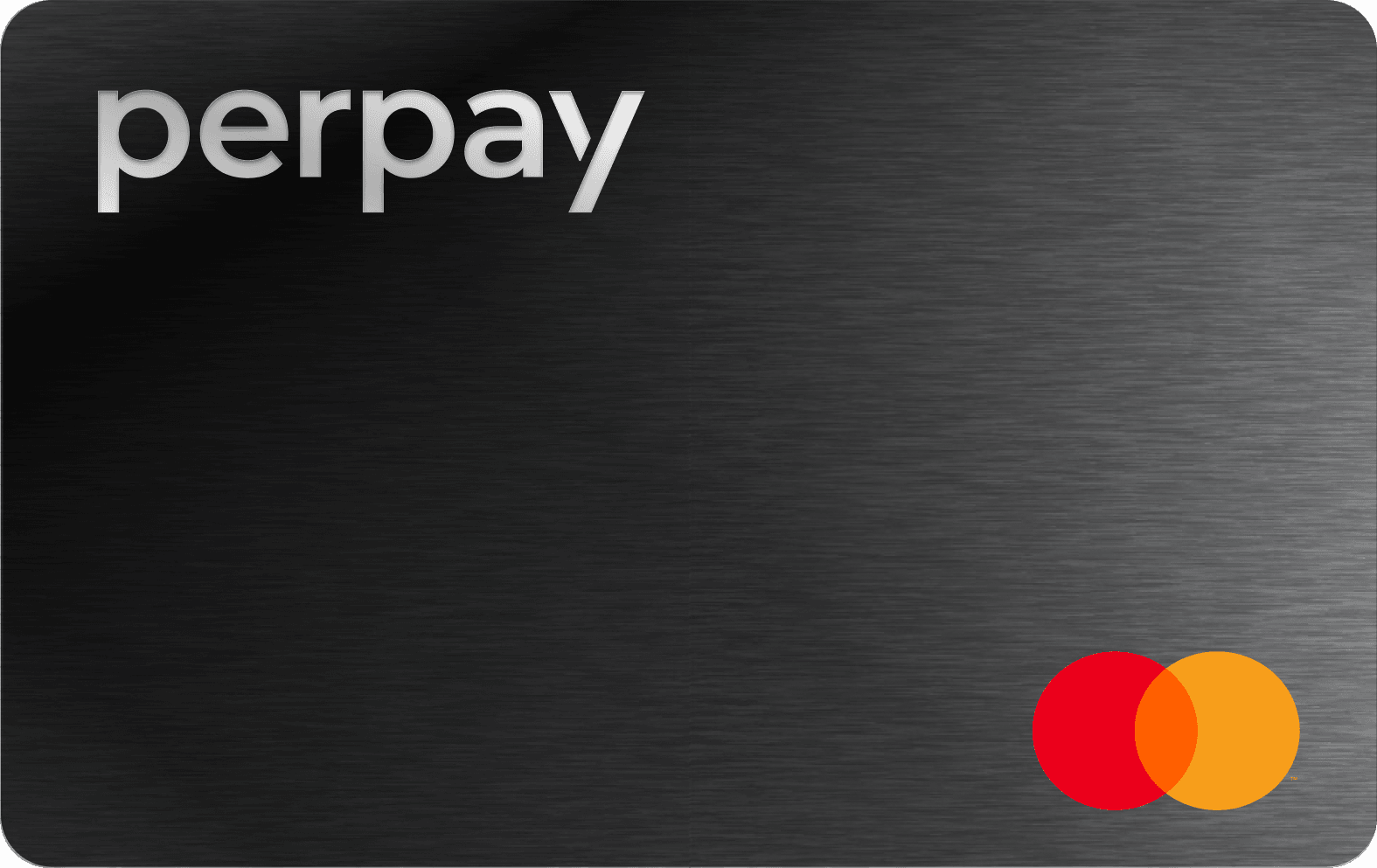
Perpay Credit Card
Meet the only card powered by your paycheck. With automatic transfers from your paycheck, you can manage payments stress-free and build credit with ease.
Fee
$9/month plus $9 account opening fee
APR
Marketplace: 0% / Credit Card: 27.74% to 29.99% depending on your creditworthiness.
Minimum Deposit Amount
$0
Credit Check
No
Cashback
2% reward on purchases made in Perpay Marketplace
Benefit
2% rewards, no security deposit
What this card does not include
This is where the Blue card shows its entry-level nature. There is no free checked bag, no priority boarding, and no Delta Sky Club access. It also has no lounge benefits at all.
If those perks matter to you, a higher-tier Delta card is a better fit even with its annual fee. A single free checked bag on a couple of round trips can cover a mid-tier card's cost. The Blue card is best when you value simplicity and zero fees over airport perks.
Who should get it, and the credit you need
The Delta SkyMiles Blue fits loyal Delta flyers who travel a few times a year and want to bank miles without paying to hold the card. It also rewards frequent diners thanks to the 2x restaurant category.
As an Amex product, it generally looks for good to excellent credit. In practice that often means a score around 690 or higher, though approvals near 640 are reported with strong income and history. If your credit is not there yet, building it first improves your odds. A starter product like the Self Visa Credit Card or the Kikoff Secured Credit Card can help you add on-time payment history, and a free tool such as Creditship.ai lets you track your score before you apply.
For a starter card that grows alongside your credit, the Arro Card is unsecured with no deposit and no hard pull, and its limit can climb from $300 to $2,500 as you make on-time payments, while you earn 1% cash back on gas and groceries.
Arro Card
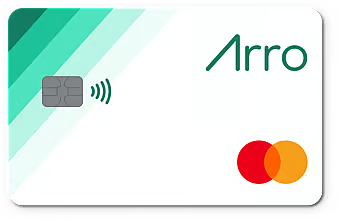
Arro Card
No deposit. No hard credit check. Start with up to $300 and grow your credit line to $2,500 by completing in-app tasks. Earn 1% cash back on gas and groceries — including Walmart and Target.
Standout feature
Unsecured — no deposit required
Fees
up to $60/ year
Pros
1% cash back on gas & groceries
Cons
Starting credit limit: $50–$300
How it compares to other Delta cards
The Blue card sits at the bottom of Delta's co-branded lineup. Move up to the Gold card and you add a free first checked bag and a larger welcome bonus, but you also take on an annual fee after the first year. The Platinum and Reserve cards layer on companion certificates and lounge access at steadily higher fees.
The question is whether the perks on those cards return more than their fees for how you actually fly. For someone who takes two or three Delta trips a year and rarely checks a bag, the free Blue card often delivers the best net value.
Frequently Asked Questions
Does the Delta SkyMiles Blue card have an annual fee?
No. The Delta SkyMiles Blue American Express Card has a $0 annual fee, and there are no foreign transaction fees either. That makes it a low-commitment way to earn Delta miles year after year.
What credit score do I need for the Delta SkyMiles Blue Amex?
American Express typically looks for good to excellent credit, which often means a score around 690 or higher. Some applicants near 640 are approved when they have strong income and a solid credit history. Amex generally runs a hard inquiry when you apply.
Do Delta SkyMiles from this card expire?
Delta SkyMiles do not expire. Once you earn them, they stay in your SkyMiles account with no expiration date, so you can save them for a future trip without worrying about losing them.
Is the Delta SkyMiles Blue card worth it?
It can be worth it for occasional Delta flyers who want to earn miles without an annual fee, especially if they dine out often and use the 2x restaurant category. Travelers who want free checked bags, priority boarding, or lounge access will get more from a higher-tier Delta card despite its fee.