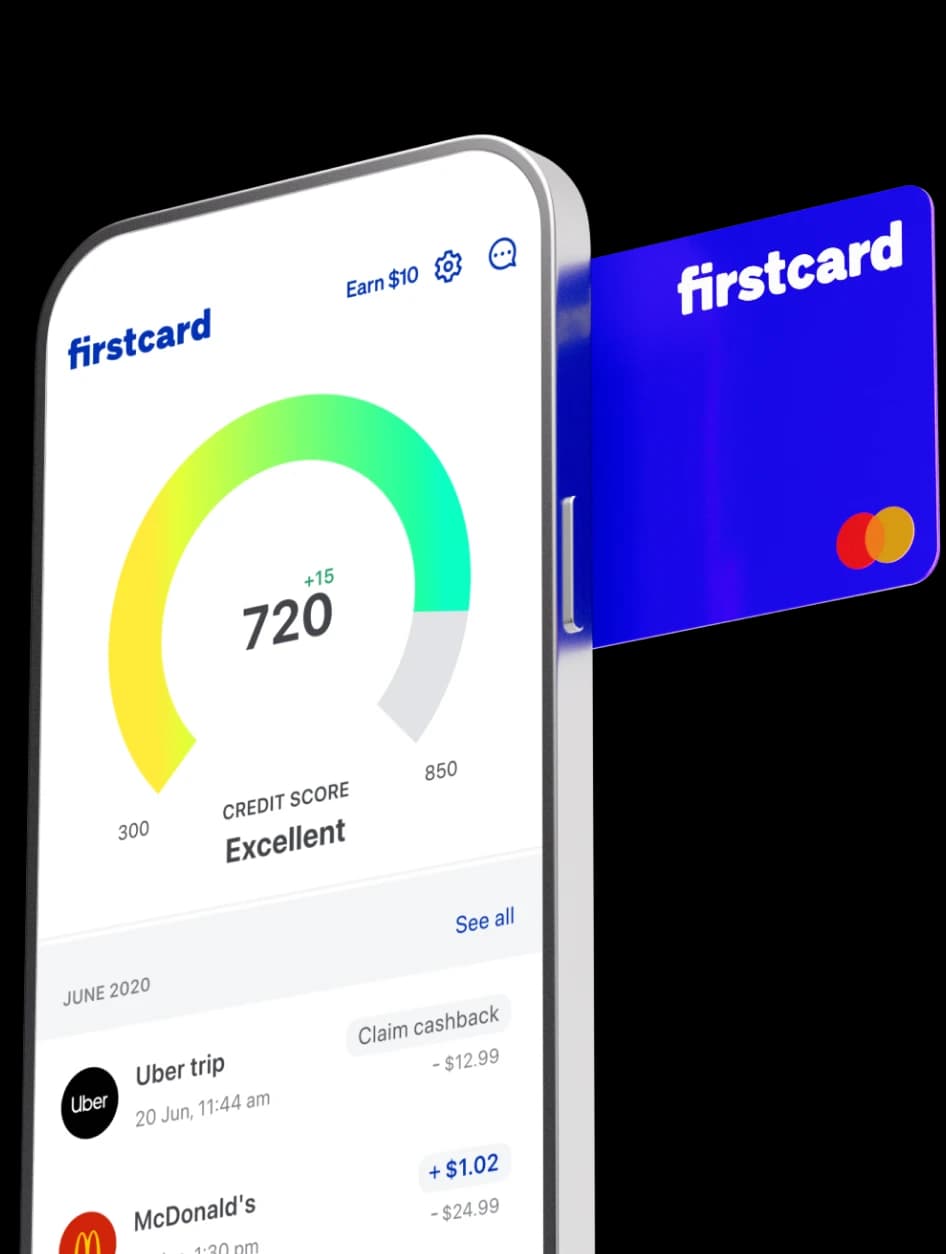
Your checking account holds the money you use every day, so why let it sit there earning nothing? A high interest checking account can pay you a real return on the same balance you already keep for bills and spending. The catch is that the best rates usually come with a few strings attached.
At Firstcard, our mission is to help you make your everyday money work harder without falling for gimmicks. This guide explains what makes a checking account high interest, the rates you can realistically expect in 2026, and how to pick one that fits your habits.
What Makes a Checking Account High Interest
Most standard checking accounts pay next to nothing. As of June 15, 2026, the national average rate for checking accounts was just 0.07%. A high interest checking account, sometimes called rewards or high-yield checking, pays well above that, and the top offers can reach into the low single digits or higher.
These accounts come in two flavors. Some are offered by online banks and fintech apps that pass their lower overhead on to you. Others are rewards checking accounts from banks and credit unions that pay a strong rate only if you meet monthly requirements. Knowing which type you are looking at helps you avoid disappointment later.
Rates You Can Expect in 2026
Rates change constantly, so treat any specific number as a snapshot rather than a promise. That said, here is the lay of the land as of July 2026.
You can reliably find high-yield checking APYs above 1%, and some accounts advertise rates above 4%. For example, SoFi members with an eligible direct deposit can earn up to 0.50% APY on checking balances and a higher rate on savings, while some cash management accounts advertise around 4.20% APY on the full balance. Reward checking accounts at smaller banks sometimes post the flashiest numbers, but they often cap the balance that earns the top rate and require several steps each month.
Because offers move so often, always confirm the current APY and terms directly with the provider before you open an account.
The Requirements to Watch
The headline rate is only worth it if you can actually earn it. Before you sign up, read the fine print for these common hoops:
- A minimum direct deposit each month, sometimes $500 or more
- A set number of debit card purchases, often 10 to 15 per month
- Enrolling in e-statements or online banking
- A balance cap, where only the first few thousand dollars earn the top rate
- Monthly fees that apply if you miss the requirements
Miss one step and your rate can drop to almost nothing. Easy requirements matter just as much as a high advertised APY. If you want more background, our guide on whether checking accounts earn interest breaks down how these rates are set.
Simple, Low-Fee Accounts Worth a Look
If jumping through hoops is not your style, a clean no-fee account paired with a high-rate savings feature can be a simpler way to earn more. You skip the monthly requirements and still avoid the fees that quietly eat your balance.
One option is Current, a mobile banking app with no monthly maintenance fee and no minimum balance. As of July 2026, Current offers Savings Pods that can earn up to a 4.00% bonus rate with a qualifying direct deposit, plus early access to direct deposits and access to a large fee-free ATM network. It pairs everyday checking features with a place to earn on the cash you are not spending yet.
Current Banking

Current Banking
Current is a mobile-first banking app with no monthly fee and no minimum balance. Members can earn up to 4.00% APY with a qualifying direct deposit of $200, receive direct-deposit paychecks up to 2 days early, and overdraft up to $200 fee-free.
Standout feature
4.00% APY on Savings Pods (with a $200+ qualifying direct deposit) plus paycheck up to 2 days early — both included on the standard account for free
Fees
Free
Pros
$0 monthly fee; up to 4.00% APY on Savings Pods with qualifying direct deposit; paycheck up to 2 days early;
Cons
No physical branches
Another straightforward choice is Chime. Its checking account has no monthly fee, no minimum balance, and gives you your paycheck up to two days early with direct deposit. As of July 2026, Chime also offers a separate savings account you can fund automatically, access to more than 47,000 fee-free ATMs, and SpotMe overdraft coverage for eligible members. It will not top the flashiest rewards-checking rate, but the simplicity and lack of fees make it easy to keep more of what you earn.
Chime
Chime
- Fee-free banking plus early pay access (up to 2 days early with direct deposit)¹ - Overdraft up to $200 without fees for eligible members¹ - 5% cash back on category of choice (with qualifying direct deposit)¹ - 3.75% APY on your savings¹
Standout feature
No credit check, no interest, no annual fee, and no minimum deposit required.
Fees
$0
Pros
Fee-Free Banking and Get paid up to 2 days early
Cons
App/online-only support, no branches
How to Choose the Right One
The best account for you depends on how you bank. Use this quick checklist to compare your options:
- Match the requirements to your habits, so you can hit the top rate every month.
- Check the balance cap, since a high rate on only $3,000 may earn less than a lower rate on your full balance.
- Add up the fees, and favor accounts with none.
- Confirm the account is FDIC or NCUA insured for safety.
- Look at ATM access and app quality, because you will use them daily.
If you tend to keep a larger cushion in checking, a dividend bearing checking account at a credit union can also be worth comparing.
The Bottom Line
The best high interest checking accounts of 2026 can pay far more than the 0.07% national average, but only if the requirements fit your life. Rewards checking accounts chase the highest advertised rates with monthly hoops, while no-fee accounts with strong savings features offer a simpler path to earning more.
Start by listing what you can realistically do each month, such as a direct deposit or a set number of debit purchases. Then compare a couple of accounts side by side, confirm the current rate with the provider, and pick the one that pays you the most for the way you already bank. A little effort here turns idle cash into steady earnings.
Frequently Asked Questions
How is high interest checking different from a savings account?
A checking account is built for everyday spending with a debit card and unlimited transactions, while savings accounts are meant to hold money you are not using. High interest checking blends the two by paying a competitive rate on money you can still spend anytime, though it often comes with monthly requirements to earn the top rate.
Are the advertised rates guaranteed?
No. Checking APYs are variable and can change at any time, and the top rate usually applies only when you meet the account's monthly requirements. Always confirm the current rate and terms with the provider before you open an account, since numbers move often.
Is there a catch with high interest checking accounts?
Usually the catch is the requirements, such as a minimum direct deposit, a set number of debit purchases, or a cap on the balance that earns the top rate. If you cannot meet them, the rate can drop sharply. Read the fine print so you know exactly what it takes to earn the advertised APY.
Do I pay taxes on the interest I earn?
Yes. Interest earned in a checking account is taxable income, just like savings interest, and your bank reports it on a Form 1099-INT when you earn $10 or more. Set aside a little for taxes if you earn a meaningful amount, and consult a tax professional with specific questions.